

Why this matters this week
World Drowning Prevention Day is marked on 25 July. For Singapore parents, the useful response is not fear. It is a short, practical review of how children are supervised around pools, how lessons are selected, and whether water-safety skills are being built properly.
This matters especially for families using condo pools, public pools, club pools, hotel pools, or a private-pool lesson setup. Familiar water can feel safe, but the safety standard still depends on adult attention, clear rules, learner readiness, and a coach who can explain the plan.
The familiar pool still needs a real safety plan
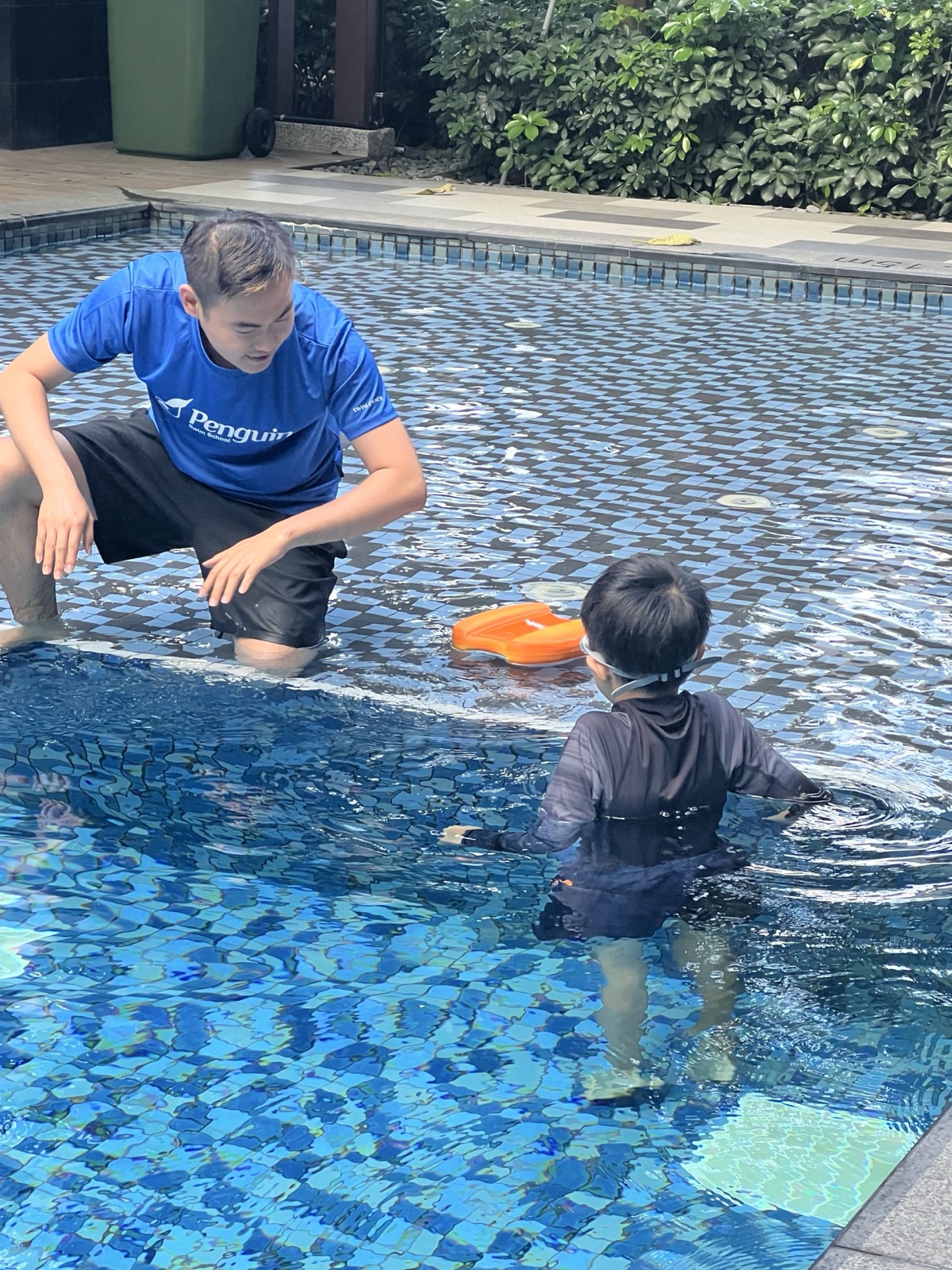
A condo pool is convenient, but it is still a real water environment. Parents should know the pool depth, where the learner can stand, where the coach can position safely, how crowded the pool is during the lesson time, and whether weather or venue rules can interrupt the session.
For young children, the most important question is not only whether the child enjoys water. It is whether the lesson setup allows direct supervision, calm recovery, clear communication, and progressive skill building.
What parents should check before lessons or free swim
Before a lesson or free swim, decide which adult is watching the child without distraction. Check whether the child can return to the pool edge, whether goggles or float equipment are being used correctly, and whether the learner understands simple safety instructions.
For a lesson, parents should also ask who the coach is, how the first session will be assessed, whether the coach will explain physical guidance, and what the parent should send before booking: age, current ability, fear level, past experience, pool access, preferred timing, and the learning goal.
Where SwimSafer fits
SwimSafer should not be treated only as a certificate. It is a progressive water-safety pathway that helps children build confidence, survival skills, stroke foundations, and safer habits around water.
Some children are ready to work toward SwimSafer stages quickly. Others need water-confidence work first. A premium lesson should match the child to the correct starting point instead of rushing every learner into the same checklist.
How to enquire with Penguin the right way
Parents who want better advice should send Penguin the learner age, current level, fear or confidence level, pool type, condo or area, preferred schedule, whether the family wants private or self-formed group classes, and whether SwimSafer is needed.
That information helps Penguin recommend the correct pathway: kids swimming lessons, SwimSafer support, private lessons, condo pool lessons, or a smaller group setup. It also filters for families who value coach fit, safety, progression, and service quality rather than only the cheapest available slot.
A calm premium standard
The right swim school should be able to explain how the lesson is supervised, how progress is measured, and how the coach adapts when a learner is nervous, distracted, tired, or not yet safe in deeper water.
World Drowning Prevention Day is therefore a useful reminder for families to choose lessons with proper coach matching and water-safety judgement. The goal is not panic. The goal is a safer, clearer start.