

Start with readiness, not performance
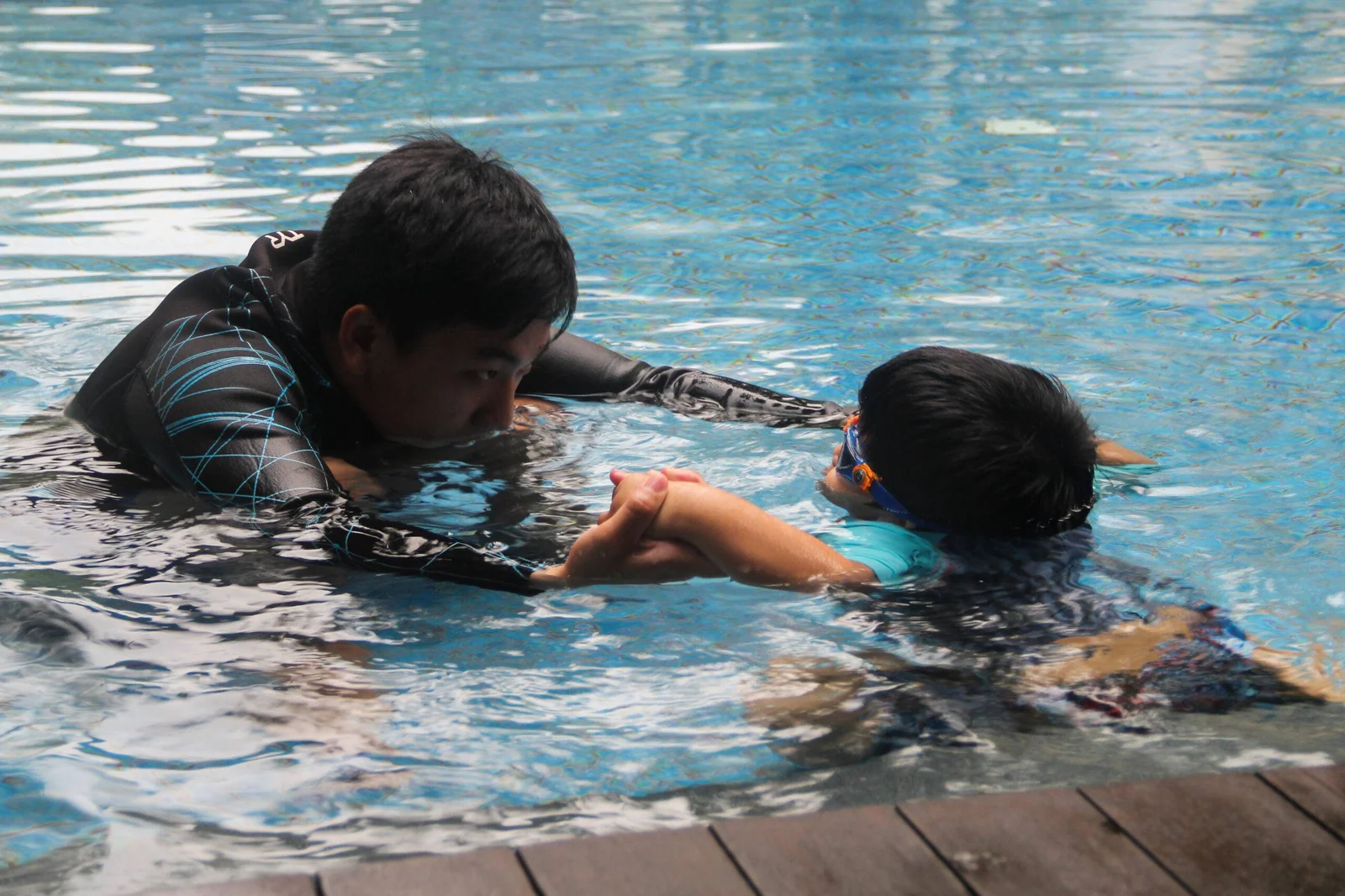
A baby first swimming lesson should not be judged by whether the baby can swim independently. The first aim is a calm introduction to water, safe handling, parent confidence, and a positive pool routine.
For Singapore families, Penguin positions baby lessons as gentle water familiarisation from around 6 months when the baby is healthy, comfortable, and supported by a parent or caregiver. This is different from promising survival swimming, fast results, or a guaranteed milestone.
What should happen in the first lesson
The coach should first read the baby mood, parent confidence, pool temperature, depth, noise, crowding, and whether the baby is rested enough for a short water session. A rushed first start can make the next lesson harder.
Useful early activities may include calm entry, holding positions, gentle movement, face and water comfort, simple breath cues, supported floating, kicking play, and safe exit routines. The lesson should stay responsive to the baby rather than following a rigid checklist.
What parents should bring and share
Bring swimwear, towel, swim diaper if needed, a dry change of clothes, water or feed plan, and any comfort item that helps the baby settle. Arrive early enough that changing and pool entry do not feel rushed.
Before booking, tell Penguin the baby age, health or comfort considerations, nap and feeding timing, prior pool exposure, preferred pool or area, pool rules, available days, and whether the family is considering private, condo, family, or small-group lessons.
When private or condo lessons make sense
Private or condo-pool lessons can make sense when a baby needs a quieter first environment, the parent wants closer coaching, or the family already has a suitable pool. The pool still needs practical checks: access approval, safe depth, visibility, hygiene, shelter, and realistic timing.
A public or small-group class can also work when the baby is calm around others and the group remains age-appropriate. The better decision is the format that keeps the baby safe, settled, and ready to return.
Do not force underwater skills
Parents should be cautious with any programme that turns a first baby lesson into a performance test. Penguin should explain early water confidence honestly: comfort, trust, parent handling, safe pool habits, and gradual progress matter more than dramatic claims.
If the baby cries, stiffens, shivers, or keeps turning away, the lesson should slow down or pause. A premium first lesson protects the next lesson by ending with trust intact.
How Penguin can recommend the right start
Penguin has a dedicated baby swimming lessons page and an infant and baby programme page for families comparing early water familiarisation, parent-and-baby support, private lessons, and class/package details.
The strongest WhatsApp enquiry should say the baby age, current water comfort, parent goal, preferred pool or area, timing, and any sensitivity around noise, temperature, health, or separation. That gives Penguin enough context to recommend whether a private, condo, family, or small-group start is more realistic.