

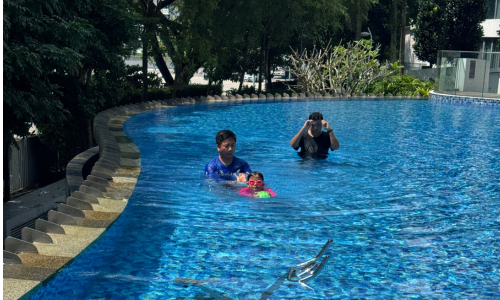

Swim School Social Benefits for Kids
June 25, 2025
Introduction
Swimming lessons are often considered essential for safety and fitness—but there’s a powerful social dimension to swim school that is frequently overlooked.
At Penguin Swim School, we witness it every day: children cheering each other on, celebrating milestones, learning teamwork, and growing in confidence as part of a group. Whether your child is naturally shy or outgoing, swimming lessons provide a wonderful platform for social development in a supportive and structured setting.
In this article, we explore the most meaningful social advantages that children gain from regular attendance at swim school.
1. Increasing Confidence in Group Situations
Why It Matters
Being part of a group swimming class helps children build self-assurance when trying new activities. Though swimming can be daunting at first, the encouragement of instructors and peers helps them grow confident—not just in the water, but in social settings as well.
What to Look For:
Volunteering answers or demonstrations
Smiling and actively participating in lessons
Engaging with other students without prompting
Confidence gained in swim class often extends into school, sports, and everyday life.
New Friendships
Friendship Through Shared Experience
Swimming classes offer the perfect environment for children to form friendships based on shared effort and accomplishment. From learning to float to swimming a full lap, these experiences are even more rewarding when celebrated with friends.
Social Benefits Include:
Participating in partner-based drills
Celebrating milestones as a group
Building friendships through regular class contact
These friendships can be especially valuable for children who struggle in traditional classroom environments.
Learning Respect and Turn-Taking
Building Social Structure
Swim instructors help children understand the importance of patience, cooperation, and mutual respect. Through structured class routines, children learn to take turns, follow rules, and encourage one another.
Skills They Learn:
Waiting their turn while others swim
Respecting personal space in the pool
Following group rules and listening carefully to instructions
These habits help build emotional regulation and social awareness that benefit them well beyond swim class.
Teamwork
From Solo Effort to Shared Success
Although swimming is often considered an individual sport, group swim lessons regularly include team games, partner exercises, and relays, helping children develop team spirit and cooperation.
How Teamwork Appears in Swim Lessons:
Group warm-ups and cool-down activities
Relay races and cooperative water games
Supporting and encouraging classmates through challenges
Teamwork in swimming nurtures empathy, communication, and leadership—skills that are vital in school, friendships, and later life.
Building Communication Skills
Speaking, Listening, and Communicating
Swim instructors encourage children to express themselves—whether by asking questions, giving feedback, or sharing how they feel about their progress. They also learn to listen attentively and follow multi-step instructions, all within a group setting.
Advantages to Communication:
Practising polite and clear speech
Interpreting non-verbal cues in social environments
Feeling more confident speaking up in front of others
Swimming lessons often give quieter children the space and support they need to build their communication confidence in a positive, encouraging environment.
Increasing Emotional Resilience
Working Through Frustration and Basking in Success
Learning to swim doesn’t happen overnight. Children may struggle, get things wrong, or feel challenged—and that’s all part of the process. Being in a group setting helps them see that everyone faces setbacks, which fosters both empathy and resilience.
What Kids Absorb Emotionally:
Persevering when a skill is difficult
Supporting peers and receiving support in return
Learning from mistakes in a safe, low-pressure environment
These experiences help develop emotional intelligence—a vital trait for managing life both in and out of the water.
7. Fostering Independence and Responsibility
Growing Up Responsible in a Group
Swim school gives children the chance to start owning their progress and safety, even while participating in a group environment.
Major Independence Builders:
Getting ready for class on their own
Remembering to bring the right swim gear
Taking responsibility for practising between sessions
These small acts of independence help children become more self-sufficient, while still receiving guidance and encouragement from instructors and peers.
Conclusion
Swim school is about so much more than water safety—it’s a place where children grow emotionally, socially, and intellectually.
At Penguin Swim School, we see our students develop into confident, kind, and capable individuals—not just swimmers. Through group interaction, shared achievements, and collaborative lessons, swimming provides a unique opportunity for well-rounded social development in a fun, supportive setting.