

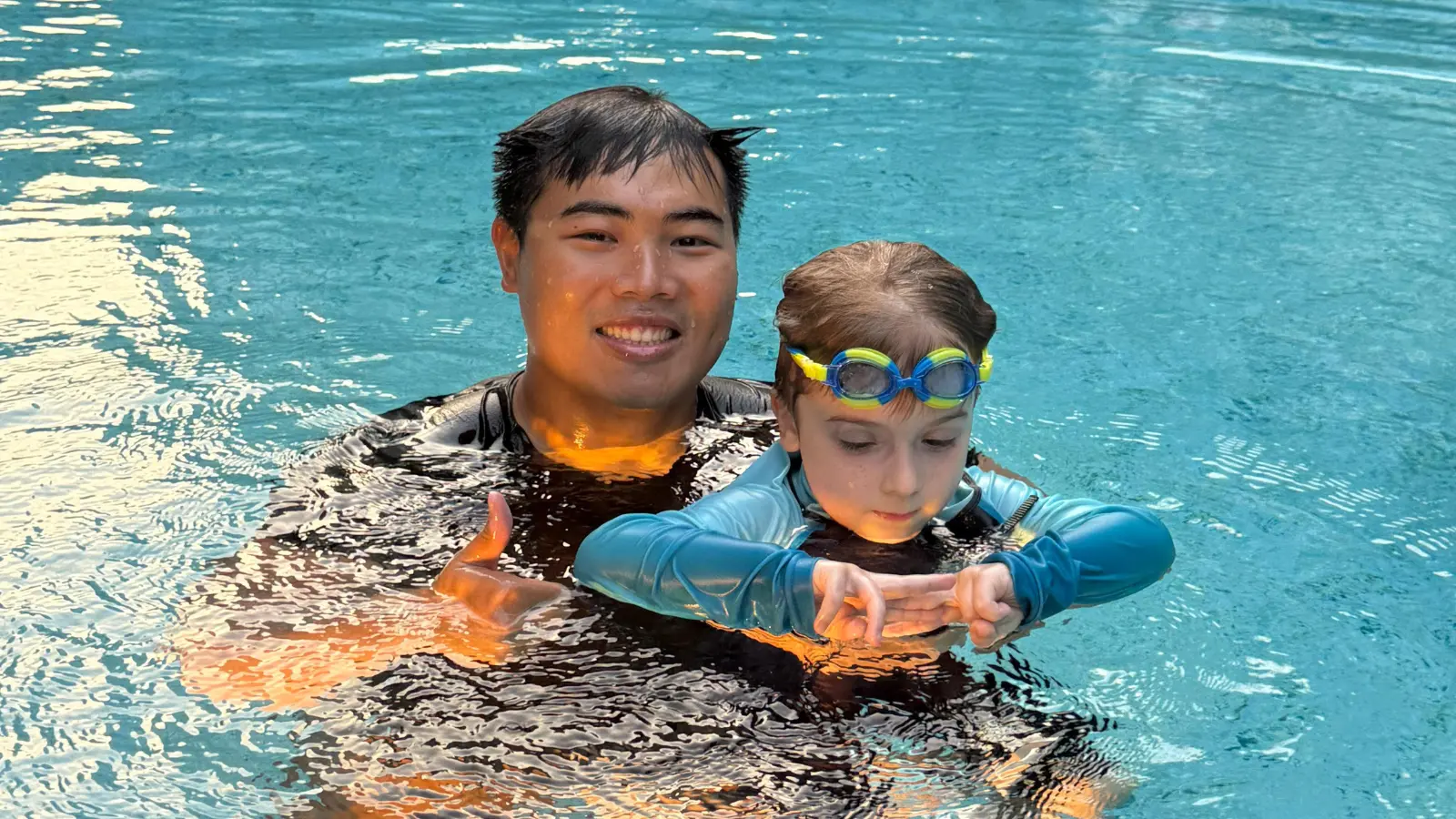

How to Keep Nervous Kids Calm During Swim Time
Introduction: Creating Calm for Confident Swimmers
Swim lessons should be a joyful experience, but for some children, it can bring nerves or fear. At Penguin Swim School Singapore, we understand that every child is different—and calming their worries is key to progress and enjoyment.
With the right approach, even the most hesitant swimmers can gain confidence in the water. Here’s how you can help your child stay relaxed and positive during swim time.
1. Start Slow and Stay Consistent
Let Them Warm Up at Their Own Pace
Rushing into the pool can make anxious children feel overwhelmed. Allow them to dip toes first, sit by the water, or watch others before joining in.
Stick to a Routine
Regular swim days build familiarity and reduce anxiety. Predictable routines help children feel more secure and ready to learn.
2. Use Reassuring Language
Avoid Pressure or Negative Phrases
Statements like “Don’t be scared” or “Just do it” may make fear worse. Instead, try:
“You’re doing well just being near the water.”
“Let’s try it together—there’s no rush.”
“It’s okay to take a break.”
3. Stay Present and Positive
Provide a Calm, Supportive Presence
If you’re nearby, let your child know you’re watching and cheering them on. Smiles, thumbs-ups, and calm body language go a long way.
Celebrate Small Wins
Even tiny achievements—like standing in the shallow end or getting their hair wet—deserve praise.
4. Make Swimming Fun and Playful
Incorporate Water Games
Simple games like blowing bubbles, tossing floating toys, or singing water songs distract from fear and make lessons feel like play.
Group Classes with Friends Help
Seeing peers enjoy the water helps kids feel more comfortable. Group classes can encourage social learning and reduce tension.
5. Trust the Instructors
At Penguin Swim School, our SSI-certified instructors are trained to handle all levels of nervousness with kindness, patience, and care.
What We Do to Help:
Gentle encouragement without pressureProgress at the child’s comfort levelUse of float aids, fun props, and smiles
6. Address Fear Outside of the Pool
Talk about swimming during storytime, bath time, or while watching videos of swimmers. The more exposure to water in a positive context, the more familiar and less intimidating it becomes.
Conclusion: Confidence Comes with Comfort
It’s perfectly normal for children to feel nervous in the beginning. What matters most is how we guide them through it—with patience, empathy, and encouragement. At Penguin Swim School, we’re here to help your child feel safe, supported, and excited to swim.