


Beginner’s Guide to Swimming Lessons for Adults
Why Adults Choose Swimming Lessons
Adult swimming lessons have become increasingly popular across the UK. According to Swim England, around 14% of British adults cannot swim 25 metres, which equates to roughly 9 million people. The reasons adults seek swimming instruction vary widely:
Health and Fitness Goals
Swimming provides an excellent full-body workout that's gentle on joints. It burns calories efficiently—a 30-minute swim can burn between 200-400 calories depending on your weight and stroke intensity. Many adults turn to swimming to manage chronic conditions like arthritis or back pain.
Water Safety Concerns
Parents who cannot swim often worry about their children's safety around water. Learning to swim gives you confidence when supervising kids at pools, beaches, or during holidays.
Career Requirements
Some professions require basic swimming competency, including lifeguarding, water sports instruction, or military service. Adult lessons provide the foundation needed for these career paths.
Personal Achievement
Overcoming the fear of water and learning a new skill provides immense personal satisfaction. Many adults describe swimming as liberating and empowering.
Common Adult Swimming Challenges
Adults face unique challenges when learning to swim that differ significantly from children's experiences:
Water Anxiety and Fear
Many adults have developed a fear of water through negative experiences or simply lack of exposure. This anxiety can manifest as panic in deep water, reluctance to put their face underwater, or general discomfort in aquatic environments.
Physical Limitations
Adult bodies are less flexible than children's, and years of sedentary lifestyle can affect mobility. However, swimming's low-impact nature often helps rather than hinders physical limitations.
Overthinking Technique
Adults tend to intellectualise swimming strokes, making movements appear mechanical rather than fluid. Children naturally move through water, whilst adults often fight against it.
Self-Consciousness
Many adult beginners worry about appearing foolish or being judged by others. This concern can prevent proper learning and relaxation in the water.
What to Expect in Your First Swimming Lesson
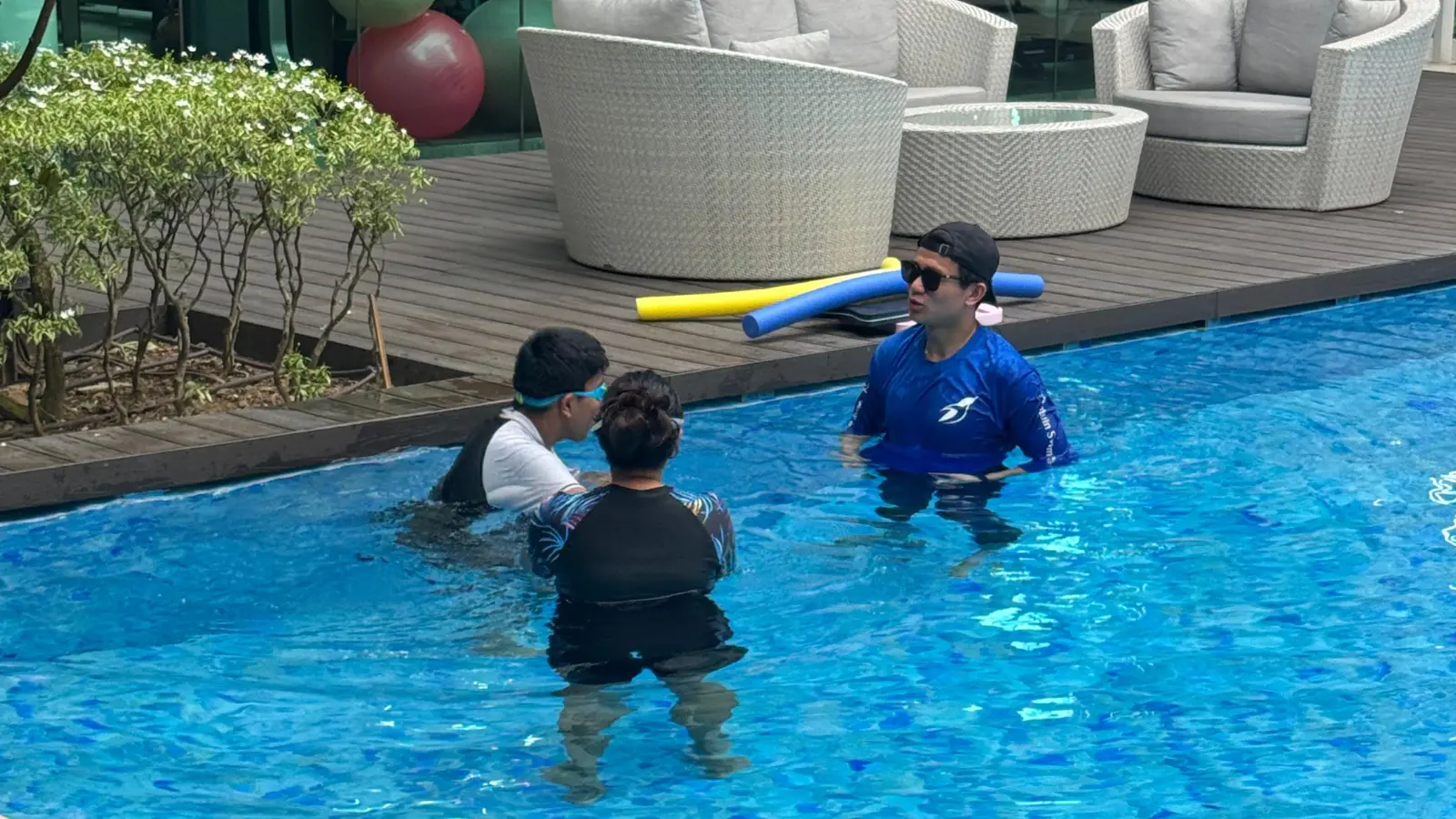
Your initial swimming lesson at Penguin Swim School focuses on building comfort and confidence rather than perfecting technique. Here's what typically happens:
Pre-Lesson Assessment
Your instructor will discuss your experience, goals, and any concerns. They'll assess your current comfort level in water and tailor the lesson accordingly.
Pool Familiarisation
You'll start in shallow water where you can comfortably stand. This allows you to become familiar with the pool environment without feeling overwhelmed.
Basic Water Skills
Early lessons emphasise fundamental skills like:
Getting in and out of the pool safely
Walking and moving in water
Putting your face in water
Blowing bubbles
Floating on your back and front
Introduction to Breathing Techniques
Proper breathing is crucial for swimming success. You'll learn rhythmic breathing patterns that will form the foundation of all swimming strokes.
Support and Encouragement
Your instructor provides constant support, both physical and emotional. They understand adult learning patterns and adjust their teaching approach accordingly.
Essential Swimming Skills for Beginners
Mastering swimming requires developing several key skills progressively:
Water Confidence and Comfort
Building comfort in water is the foundation of all swimming skills. This involves learning to trust the water's natural buoyancy and understanding how your body behaves in an aquatic environment.
Relaxation Techniques
Learning to relax in water prevents the tense muscles that cause sinking. Your instructor will guide you through exercises that promote natural floating positions.
Breath Control
Comfortable breathing underwater and at the surface is essential. You'll practise holding your breath, exhaling underwater, and coordinating breathing with movement.
Floating and Body Position
Floating demonstrates your understanding of buoyancy and proper body alignment in water.
Back Float
The back float teaches you to trust water's support whilst maintaining a relaxed, horizontal position. Many beginners initially struggle with this due to fear or incorrect body positioning.
Front Float
Front floating requires putting your face in water, which challenges many adult beginners. This skill is crucial for developing proper swimming stroke techniques.
Basic Propulsion
Once you're comfortable floating, you'll learn to move through water efficiently.
Kicking Techniques
Proper leg movement provides propulsion and helps maintain body position. You'll start with basic flutter kicks whilst holding the pool edge.
Arm Movements
Simple arm movements combined with breathing create the foundation for swimming strokes. Initial focus is on coordination rather than speed or power.
Overcoming Water Fear and Anxiety
Water fear is extremely common among adult beginners, but it's entirely manageable with proper approach and patience.
Understanding Your Fear
Identifying the specific aspects of water that cause anxiety helps address them systematically. Common fears include:
Fear of drowning
Discomfort with water on the face
Panic in deep water
Concern about losing control
Gradual Exposure Techniques
Professional instructors use proven methods to reduce water anxiety:
Shallow Water Practice
All initial learning occurs in water shallow enough to stand comfortably. This provides psychological security whilst building skills.
Progressive Challenges
Skills are introduced gradually, with each new challenge building upon mastered techniques. You'll never be pushed beyond your comfort zone.
Relaxation Strategies
Breathing exercises and mindfulness techniques help manage anxiety and promote relaxation in water.
Building Confidence
Confidence develops through repeated positive experiences in water. Each successful lesson reinforces your growing abilities and reduces anxiety.
Choosing the Right Swimming Instructor
The quality of instruction significantly impacts your learning success and enjoyment.
Professional Qualifications
Ensure your instructor holds recognised swimming teaching qualifications, such as:
Swimming Teachers' Association (STA) certification
Amateur Swimming Association (ASA) qualifications
Royal Life Saving Society (RLSS) credentials
Adult-Specific Experience
Instructors experienced with adult learners understand the unique challenges and learning patterns of mature students. They adjust teaching methods accordingly and provide appropriate emotional support.
Teaching Style Compatibility
Some instructors are more technical, whilst others focus on encouragement and confidence building. Choose an instructor whose style matches your learning preferences and personality.
Communication Skills
Your instructor should explain techniques clearly, provide constructive feedback, and maintain patience throughout your learning journey.
Types of Swimming Lessons Available
Different lesson formats suit various learning styles and preferences:
One-to-One Lessons
Private lessons offer personalised attention and customised pacing. They're ideal for adults with specific fears or those who prefer individual attention.
Small Group Lessons
Groups of 2-4 adults provide social support whilst maintaining individual attention. Many adults find peer encouragement motivating.
Beginner Classes
Larger beginner classes (5-8 people) offer structured learning at a lower cost. They work well for confident adults who enjoy group dynamics.
Intensive Courses
Week-long or weekend intensive courses provide rapid skill development for motivated learners with time availability.
Practical Preparation for Swimming Lessons
Proper preparation enhances your learning experience and comfort level:
Essential Equipment
Swimwear
Choose comfortable, well-fitting swimwear that allows free movement. Avoid baggy clothing that creates drag.
Goggles
Quality goggles protect your eyes and improve underwater vision, making lessons more comfortable.
Towel and Change of Clothes
Bring quick-dry towels and comfortable clothing for after your lesson.
Pre-Lesson Preparation
Light Meal
Eat a light meal 2-3 hours before swimming. Avoid heavy foods that might cause discomfort.
Arrive Early
Arriving 15 minutes early allows time to change, familiarise yourself with facilities, and mentally prepare.
Set Realistic Goals
Focus on enjoying the experience rather than achieving perfection. Progress varies among individuals.
Health Benefits of Swimming for Adults
Swimming provides numerous health benefits that motivate many adults to learn:
Physical Health Benefits
Cardiovascular Fitness
Swimming strengthens the heart and improves circulation whilst being gentle on joints.
Muscle Strength and Tone
Swimming engages all major muscle groups, providing comprehensive strength training.
Weight Management
Regular swimming burns calories efficiently and can support healthy weight management.
Joint Health
Water's buoyancy reduces joint stress, making swimming ideal for people with arthritis or mobility issues.
Mental Health Benefits
Stress Relief
The rhythmic nature of swimming and focus required provide mental relaxation and stress relief.
Improved Sleep
Regular swimming often leads to better sleep quality due to physical tiredness and relaxation.
Increased Confidence
Mastering swimming skills builds self-confidence that extends beyond the pool.
Creating a Practice Routine
Regular practice accelerates learning and builds muscle memory:
Frequency Recommendations
Aim for 2-3 practice sessions weekly, even if they're short. Consistency matters more than duration.
Practice Structure
Warm-up
Start each session with gentle movements and breathing exercises.
Skill Practice
Focus on specific skills learned in lessons, practising them slowly and deliberately.
Cool-down
End sessions with relaxing activities like easy floating or gentle walking in water.
Tracking Progress
Keep a simple swimming diary noting skills practised, improvements noticed, and areas for focus. This helps maintain motivation and identify progress patterns.
Next Steps in Your Swimming Journey
Once you've mastered basic skills, numerous opportunities await:
Stroke Development
Learn traditional swimming strokes like freestyle, backstroke, breaststroke, and butterfly. Each stroke offers unique benefits and challenges.
Distance Swimming
Gradually increase swimming distances to build endurance and cardiovascular fitness.
Water Sports
Swimming skills open doors to activities like water polo, synchronised swimming, or triathlon training.
Lifeguard Training
Consider lifeguard certification if you're interested in water safety careers or volunteer opportunities.
Learning to swim as an adult is an achievable and rewarding goal. With proper instruction, patience, and regular practice, you'll soon discover the joy and freedom that swimming brings. Remember, every expert swimmer was once a beginner—your journey starts with that first brave step into the pool.
At Penguin Swim School, we specialise in helping adults overcome their fears and develop swimming skills in a supportive, encouraging environment. Our qualified instructors understand adult learning needs and provide personalised guidance every step of the way. Take the plunge today and discover the lifelong benefits of swimming.