

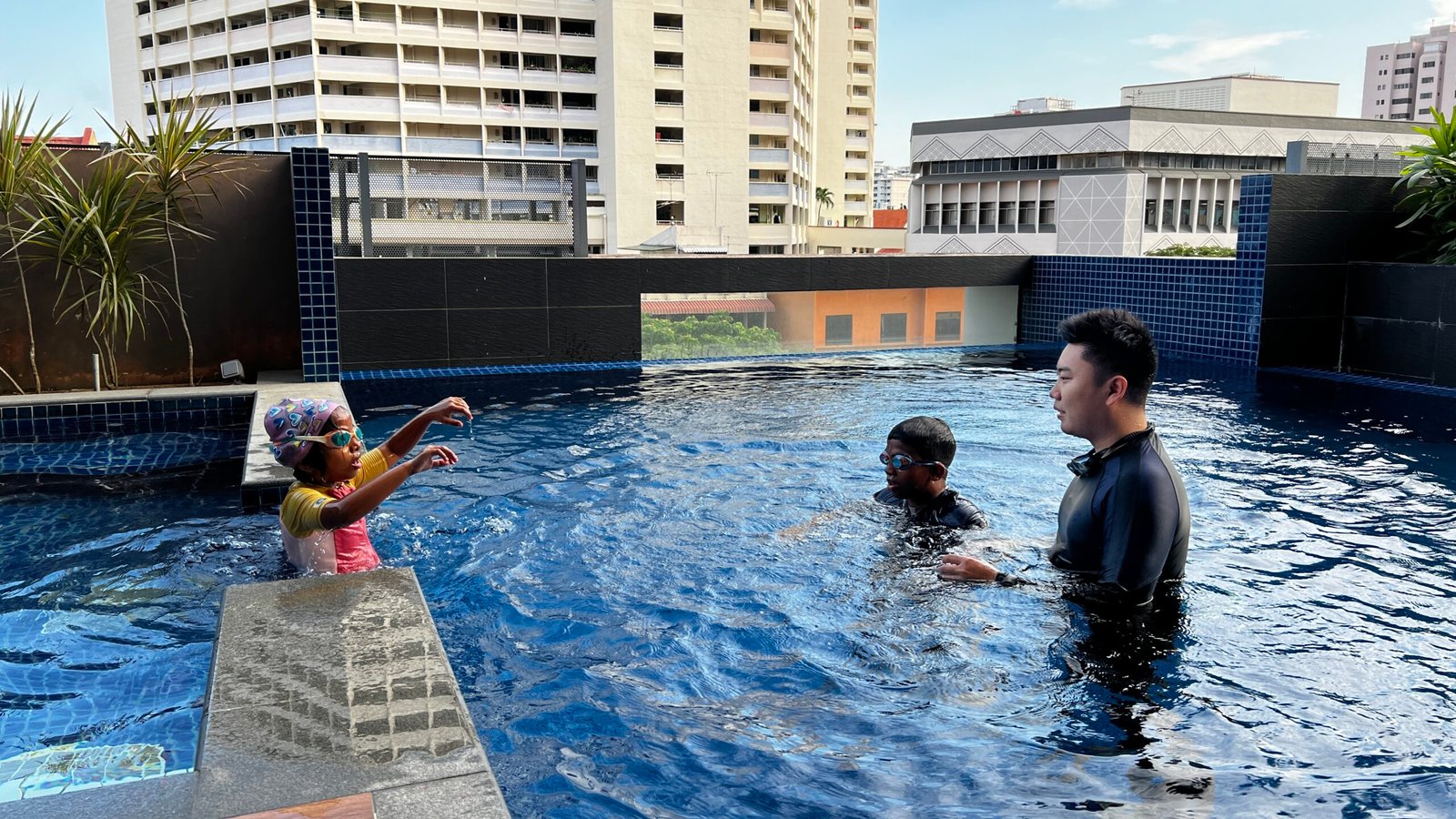

8 Milestones Your Little Swimmer Should Reach
June 23, 2025
Introduction
Watching your child grow more confident in the water is one of the most rewarding experiences a parent can have. But like any new skill, swimming progresses in stages—and it helps to recognise the signs that show your child is on the right path.
At Penguin Swim School, we believe in celebrating every splash, stroke, and kick. This guide highlights 8 key milestones your little swimmer should aim to reach, giving you a clear understanding of their progress in both skill and safety.
1. Comfortable in the Water
Why It Matters
Before learning strokes or techniques, your child must first feel comfortable and relaxed in the water. This is the emotional foundation for all swimming development.
Signs of Progress
Willingly entering the pool
Smiling, splashing, and playing during lessons
Tolerating water on the face without distress
At this point, it’s not about structure—it's all about fun, trust, and familiarity.
Blowing Bubbles and Comfortable Submerging
The First Real Test
Blowing bubbles and going underwater shows your child is beginning to control their breath and adapt to water on their face—vital skills for safe swimming.
What to Watch For
Entering face-first without hesitation
Blowing bubbles through the mouth or nose
Holding breath briefly while submerged
This milestone helps your child become water-aware and breathing-smart.
Independent Floating on Front and Back
Building Buoyancy and Balance
Floating demonstrates that your child is developing a sense of body control and balance in the water—crucial for both swimming and survival.
Milestone Achievements
Floating on their back with minimal support
Performing a front starfish float with the face in water
Relaxing their body instead of tensing up
Mastering floating is key to building confidence and water safety.
Basic Arm and Kicking Movements
The Beginning of Stroke Development
Once floating feels natural, children begin learning how to move purposefully in the water using their arms and legs.
What They May Do
Kick their legs in a straight, rhythmic motion
Paddle their arms in a coordinated forward movement
Start combining limb movement with basic breath control
At Penguin Swim School, we call this the "movement magic" phase—where swimming truly starts to take shape!
Swimming a Little Way on Their Own
Little Swimmer, Big Achievement
This is a huge moment for many children—and their proud parents! Swimming a short distance independently shows they’ve combined several key skills into an effective, functional swim.
Key Indicators:
Swimming 3–5 metres without assistance
Coordinating arms and legs together
Breathing by lifting the head or turning to the side
At this stage, your child is beginning to show the traits of a genuine swimmer.
6. Learning Basic Strokes
From Paddling to Swimming
Now it’s time to introduce formal strokes such as freestyle and backstroke. This milestone marks the transition from basic movement to technique and efficiency.
They’ll Start To:
Move from doggy paddle to proper stroke shapes
Learn arm recovery and breathing timing
Explore breaststroke and elementary backstroke
Each child learns at their own pace—but this is where the true transformation into a skilled swimmer begins.
Understanding Pool Safety and Boundaries
A Critical, Often Missed Milestone
Being a strong swimmer isn’t just about physical ability—it’s also about environmental awareness. Children need to understand pool rules and safe behaviours.
Expected Behaviours:
Knowing where it’s safe to enter and exit the pool
Following instructions from instructors
Respecting others’ space in the water
This milestone is essential for accident prevention and for developing lifelong water safety awareness.
Treading Water and Safe Water Survival Skills
Staying Afloat Under Pressure
By now, your child is not just swimming—they’re learning how to stay safe in real-world situations. Treading water is a core survival skill.
What They’ll Learn:
Keeping the head above water without assistance
Staying afloat for 30 seconds or longer
Switching between floating and treading
These essential skills offer peace of mind and are a central focus of the SSI curriculum at Penguin Swim School.
How Penguin Swim School Accompanies Every Milestone
At Penguin Swim School, we follow a skill-based, age-appropriate approach that supports children at each stage of their swimming journey. Every lesson is designed to guide them through these milestones naturally and enjoyably.
Our Approach Includes:
Visual achievement markers for motivation
Personalised teaching methods to suit each swimmer
Safe, low-pressure environments that encourage confidence
Our experienced instructors use the Swim Schools International (SSI) system to ensure every swimmer is supported from their first splash to full stroke mastery.
Conclusion
From blowing bubbles to mastering backstroke, each swimming milestone plays an important role. It’s not just about developing technique—it’s about raising confident, safe, and happy individuals.
Whether your child is starting their journey or already progressing through levels, they’re in trusted, professional hands with the team at Penguin Swim School.